
Real or Fake: Call Spoofing Red Flags and What To Do if You Get One
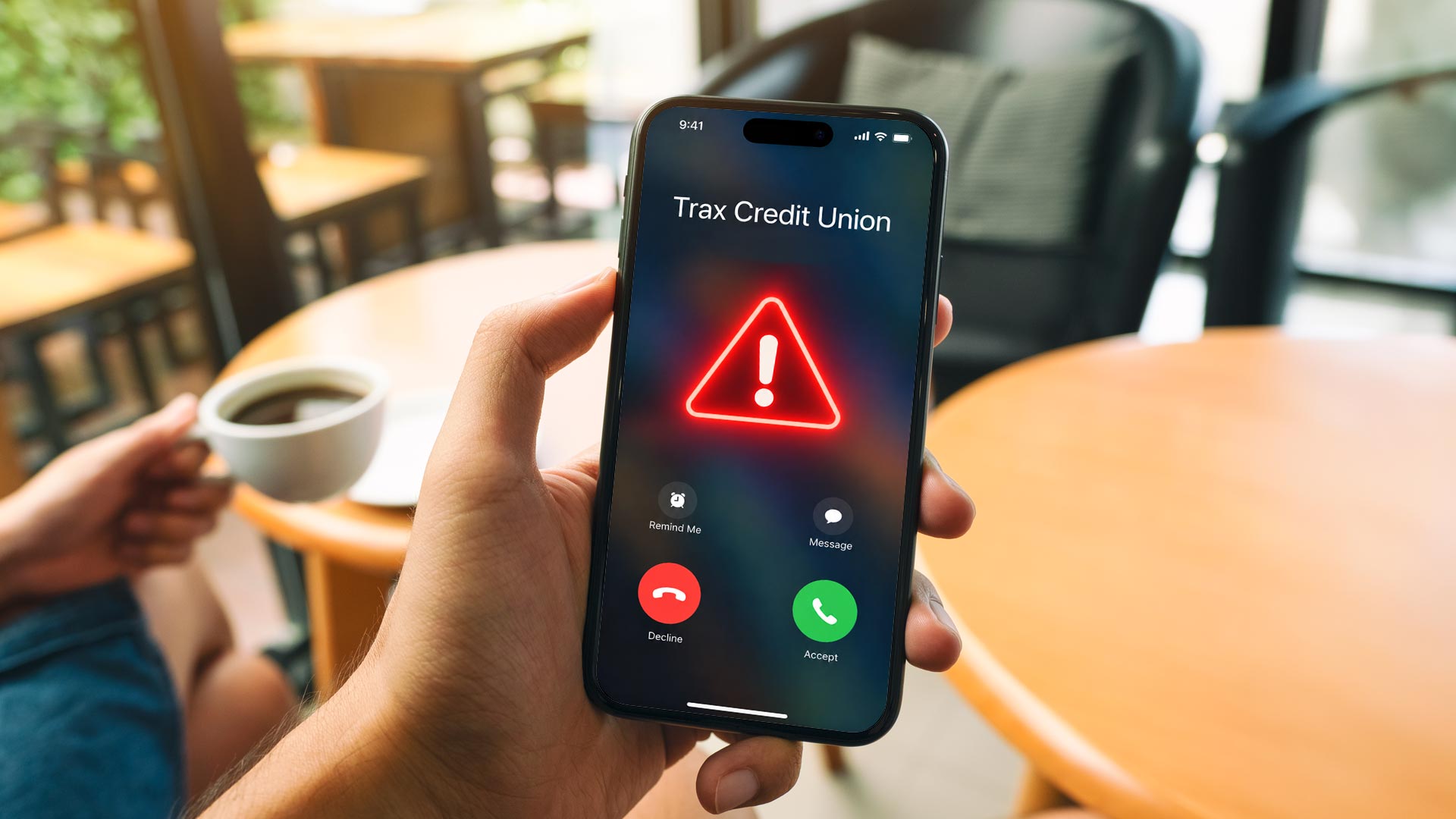
The number looks familiar. But is it?
Imagine this: Your phone rings — the caller ID says, "Trax Credit Union." The person on the other end says there's suspicious activity on your account, and they need your attention immediately.
It sounds legitimate. It feels urgent. And that's exactly what scammers are counting on.
Scammers are getting smarter and more convincing. One of the most common tactics right now is spoofed phone calls that appear to be from a trusted financial institution, such as Trax Credit Union. The caller ID may show a familiar number, and the voice on the other end may sound calm or authoritative. Even if the reason for the call feels urgent, that doesn’t necessarily mean the call is real.
By understanding how spoofing works and what red flags to watch for, you can help protect your accounts, identity, and overall sense of safety and financial well-being.
What is phone call spoofing?
Call spoofing is when a scammer disguises their phone number so that it appears to come from a trusted source, such as a financial institution, government agency, or even a local number with your area code. When we see a familiar name or number pop up on our phone, our guard naturally comes down. Scammers take advantage of that instant trust to attempt different kinds of deception, such as money transfer fraud or identity theft.
With AI, scammers can now use this technology to make spoofed calls even more convincing and sophisticated.
How spoofed phone calls work
Spoofed calls often follow a familiar pattern:
- You receive a call that appears to be from Trax Credit Union or another financial institution
- The caller claims there’s “suspicious activity,” like a locked account or some other urgent issue
- You’re asked to verify account details, personal information, share a code, or move money “to stay safe”
- The caller pressures you to act quickly before you have time to stop and verify the situation
Also known as social engineering, this pattern involves exploiting trust, curiosity, or fear to gain unauthorized access to data or steal money. In some cases, scammers already have partial information about you, so the call feels more legitimate. The caller isn’t always loud or aggressive; sometimes they’re polite, helpful, or even reassuring.
If you’re suspicious of a caller, hang up and contact us directly at 813-800-8729.
Call Spoofing Red Flags
Fraud isn’t always obvious, and it’s rarely just one tactic. Even convincing spoofed calls tend to share a few warning signs. Pay close attention if a caller:
- Creates urgency or fear: Legitimate financial institutions won’t pressure you to act immediately or threaten consequences if you don’t.
- Shifts responsibility to you: Trax Credit Union will not call you to ask for online account passwords, full Social Security numbers, or account numbers. We can secure your account without requiring this type of sensitive information.
- Tells you what not to do: If a caller insists you “don’t hang up,” “don’t call back,” or “don’t talk to anyone else,” it’s a major red flag. Verify who you are talking with. Trax Credit Union team members will never be upset if you want to hang up and call back.
- Asks you to move money unusually: Requests to move money quickly, especially through wire transfers, peer-to-peer apps, or gift cards, are usually common signs of a scam.
- Sounds right but feels off: You don’t need proof or a perfect explanation to trust your instincts. Feeling unsure is a valid reason to pause and confirm the caller's identity.
What to do if you get a suspicious call
If a call claims to be from Trax Credit Union and something doesn’t feel right, you should:
- Hang up
- Do not call back using the number that contacted you
- Contact Trax Credit Union directly at 813-800-8729
- Report the call so patterns can be tracked and others can stay informed
If you ever receive a call, text, or message claiming to be from Trax Credit Union and it doesn’t feel right, pause and verify. We’re always here to help without pressure or judgment, and our top priority is making sure our members have the tools to stay confident, informed, and supported.