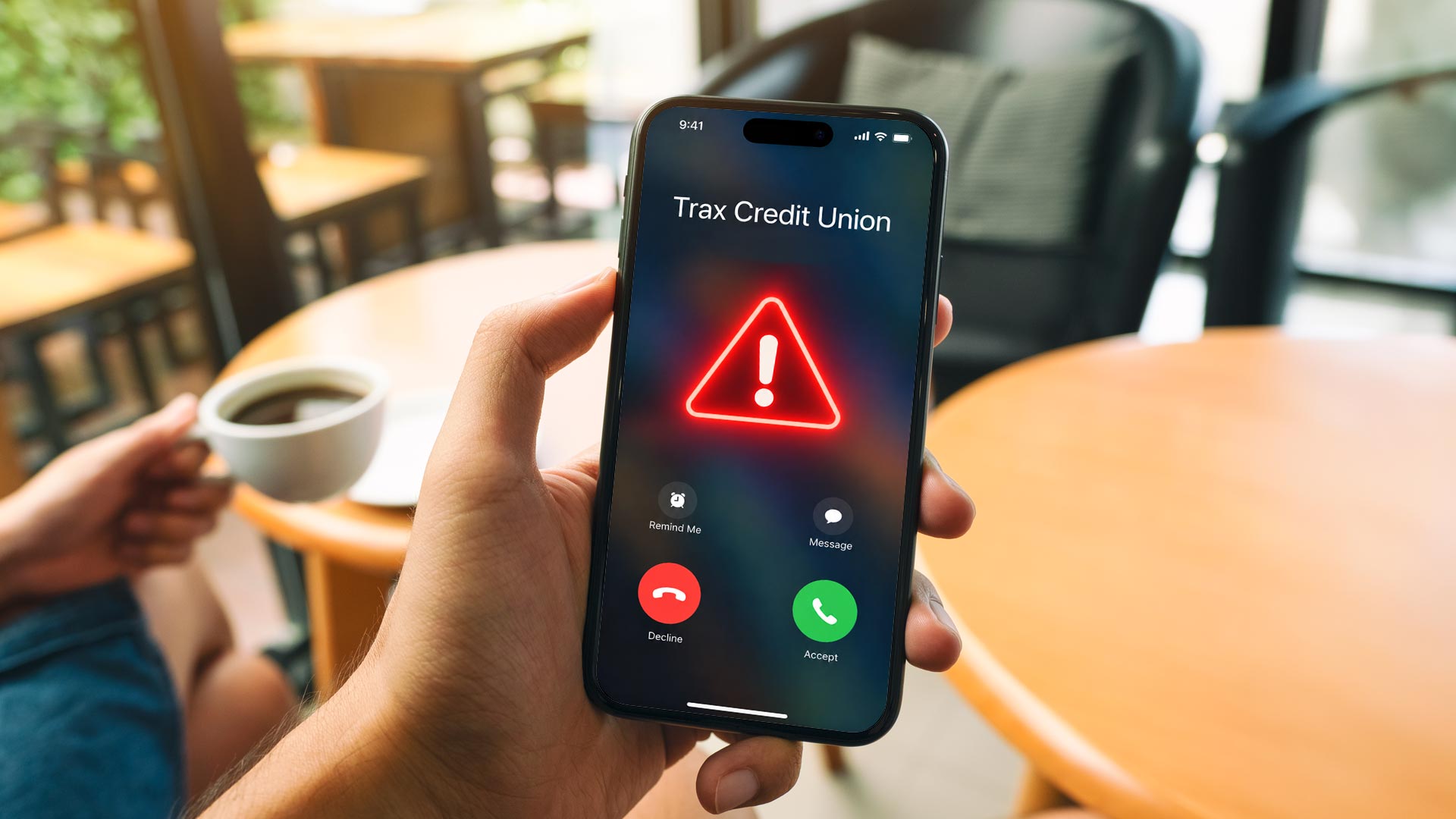
International Fraud Awareness Week: Know the Signs, Stop the Scams

Scams come in all shapes and sizes, and sometimes the best defense is simple awareness. International Fraud Week starts on November 15th, 2026, and we’re here to help you stay miles ahead of scammers today, tomorrow, and years down the road.
Stay 3 Steps Ahead of Scammers
Scammers and other bad actors often create a sense of urgency to get you to act without thinking. Be on your guard if someone pressures you to make decisions before you’re ready or have all the information.
Stay ahead of scammers by following these three steps:
Pause. Don’t react under pressure, even if you feel rushed. Scammers often use urgency to get you to act.
Check. Verify any requests by contacting customer service directly. Use official channels such as a company’s website or an account statement for more information.
Protect. Keep your account number, PIN, and login information secure. Never give out verification numbers. You can also set up alerts to monitor account activity.
For more tips on how to defend against Smishing scams, Call Spoofing, and AI scams specifically, check out our Fraud Protection Blogs or Fraud and Scam Awareness page.
Tread Carefully with Text Fraud
Scammers use text fraud, also known as Smishing, to steal your personal or financial information through carefully crafted texts. They’ll often send fake texts claiming you owe fees or money to a person or organization, hoping you won’t take a moment to pause, check, and protect yourself.
If you receive a suspicious message, don’t click any links or share any personal information. Always verify with the sender first — remember, legitimate companies won’t ask for payments or sensitive information through text messages.
For more ways to recognize, resist, and report smishing and text fraud, check out our Smishing Blog.
Don’t Get Caught Up in Card Scams
In card collection scams, scammers impersonate trusted businesses, government agencies, or even people you know. They often pressure you to purchase gift cards, prepaid debit cards, or reloadable cards, then demand the card number and/or PIN. Once they have that information, they can access your funds immediately.
How to Protect Yourself:
- Never use gift cards or prepaid cards to make payments. No legitimate company, government entity, or law enforcement agency will request payment this way.
- Stay alert for scare or pressure tactics. Messages claiming “your account is in danger” are designed to create panic.
- Safeguard your personal and financial information. Never disclose:
- Full card numbers
- CVV security codes
- PINs
- Digital banking usernames or passwords
- One-time passcodes.
If you ever feel unsure about a message, call, or text you receive, please feel free to contact our Trax Member Service department at (813) 800-TRAX (8729) or find your local Trax branch. We’re always here to help without pressure or judgment — your financial safety is our top priority.